


Longevity: A Topic of Current Interest
We are living longer and longer: life expectancy varies by country, ranging from 84.5 years in Japan to 51.5 years in Lesotho, with a global average of 71 years (WHO, Life expectancy and healthy life expectancy).
On the other hand, healthy life expectancy—the number of years a person can expect to live without experiencing disability in activities of daily living—represents the real challenge of the 21st century, with a global average of 61.9 years.
Living a long life is no longer enough: we must also age well. This aspiration, driven by a population that is increasingly aware of the risks associated with a sedentary lifestyle and poor diet, has profoundly transformed the health and nutrition sector.
From lifespan to healthspan (from mere longevity to healthy longevity), an entire paradigm is shifting, fundamentally redefining consumer expectations, industry strategies, and the priorities of scientific research.
It is in this context that functional nutrition is emerging as a key driver. As consumers seek concrete, personalized solutions, companies in the food and nutraceutical industries are competing to come up with innovative solutions.
An in-depth look at the latest scientific, regulatory, and market developments related to longevity and healthy aging in the nutrition and health sector.
A growing trend
According to Innova Market Insights, 73% of consumers worldwide now consider longevity and healthy aging to be extremely or very important, a proportion that is growing year by year.
This is no longer a niche topic but rather a widespread trend affecting a broad age group, with younger people adopting preventive measures earlier and earlier in life.
This trend is confirmed by events such as Vitafoods Europe 2026, the leading trade show for the nutraceutical industry. More than 1,600 exhibitors and 30,000 visitors from 135 countries gathered in Barcelona to discuss the latest innovations in the sector.
The NutriFizz team was there, and we can attest that longevity and healthy aging were undoubtedly among the most prominent themes at the booths, alongside the gut microbiome and women’s health.
Innovations in longevity identified at the Vitafoods 2026 trade show:
At the trade show, DSM-Firmenich presented its immersive experience, “The Longevity Shift,” to highlight the need to shift from longevity alone to healthy longevity. In this context, two innovations were highlighted:
- Age Slower : a combination of omega-3 and vitamin D, backed by clinical data, designed to combat chronic inflammation.
- Cellular Repair : a formulation based on natural flavonoids that targets cellular senescence.
Nexira is introducing a new ingredient at this year’s event, nu4life™, which “supports cell regeneration and mitochondrial function.” The company also highlighted VinOgrape™ Plus, a grape polyphenol extract with prebiotic activity that acts on the gut microbiota.
Indena is highlighting Centextra®, a nutricosmetic solution for healthy aging, positioning itself within the “beauty from within” trend. Preclinical studies have been conducted on this ingredient.
Ingood by Olga has introduced the concept of “sulfolongevity,” centered on the patented ingredient SULFODYNE®. This compound is combined with CoQ10 to provide a holistic approach to cellular aging.
Finally, OURVITA highlighted its Antioxydant Elyxir, a formula containing oleuropein (a phenolic compound found in olive trees), for its antioxidant properties.
Science and Longevity
The surge in innovation in the field of longevity is taking place against a favorable scientific backdrop, with new research on this topic being published regularly.
Some insights from recent scientific publications :
Dietary Supplements and Healthy Aging (Evidence-Based Nutraceuticals in Human Health and Longevity Medicine, 2026)
This review emphasizes that longevity is based on the well-established pillars of lifestyle (physical activity, a balanced diet, etc.), early detection of diseases, and personalized care.
Nevertheless, nutraceuticals have a role to play as part of a comprehensive treatment plan. In particular, recent data indicate that intestinal dysbiosis (an imbalance in the gut microbiota) is one of the key mechanisms associated with aging. Supplementation with prebiotics and probiotics may be beneficial in this context.
Diet and Longevity: The Modulating Role of Genetics
A prospective cohort study conducted among 103,649 participants in the UK Biobank (Healthy dietary patterns, longevity genes, and life expectancy. UK Biobank cohort study, 2026 ) The study also examined the interaction between diet quality, genetic predisposition to a short life expectancy, and their combined effects on mortality. The data suggest that healthy eating habits can significantly mitigate the effect of an unfavorable genetic predisposition on longevity.
Nutrition (and personalized nutrition in particular) appears to have a significant impact on healthy aging.
Industry players have clearly understood consumer expectations and have taken up this issue to offer innovative solutions.
Rigorous formulations, using ingredients backed by scientific data, are the cornerstones of developing effective solutions. This is all the more important given the current situation in France, where the PNNS 5 includes a measure to raise awareness about the potential risks associated with consuming dietary supplements without supervision by a healthcare professional.
Impact on the agri-food and nutraceutical sectors
The longevity trend is more than just a marketing gimmick. It entails scientific and regulatory responsibilities for players in the nutraceutical and food industries. Several key issues are worth highlighting:
When it comes to formula innovation, the most promising solutions are those that target multiple mechanisms of aging simultaneously (inflammation, oxidative stress, mitochondria, the microbiome) rather than relying on a single “star” ingredient. The concept of synergy among active ingredients is becoming central.
From a scientific standpoint, it is essential to rely on robust clinical data and to distinguish between proven effects and those that remain in the realm of plausible biological mechanisms.
From a regulatory standpoint, health claims related to healthy aging remain strictly governed by European regulations. As a reminder, a health claim refers to any statement suggesting that consuming a particular food or ingredient may have health benefits.
In terms of market positioning, consumers in the longevity sector are becoming increasingly informed and discerning. They expect transparency regarding ingredients, accessible scientific evidence, and convenient and enjoyable delivery formats.
Conclusion
Longevity is one of the most defining trends of the decade for the health and nutrition sector. It is grounded in solid, rapidly advancing science and is already giving rise to a wave of ingredient and product innovations, as demonstrated at Vitafoods Europe 2026.
For professionals in the food and nutraceutical industries, this represents both a major opportunity for innovation and a field that demands scientific rigor and regulatory vigilance.
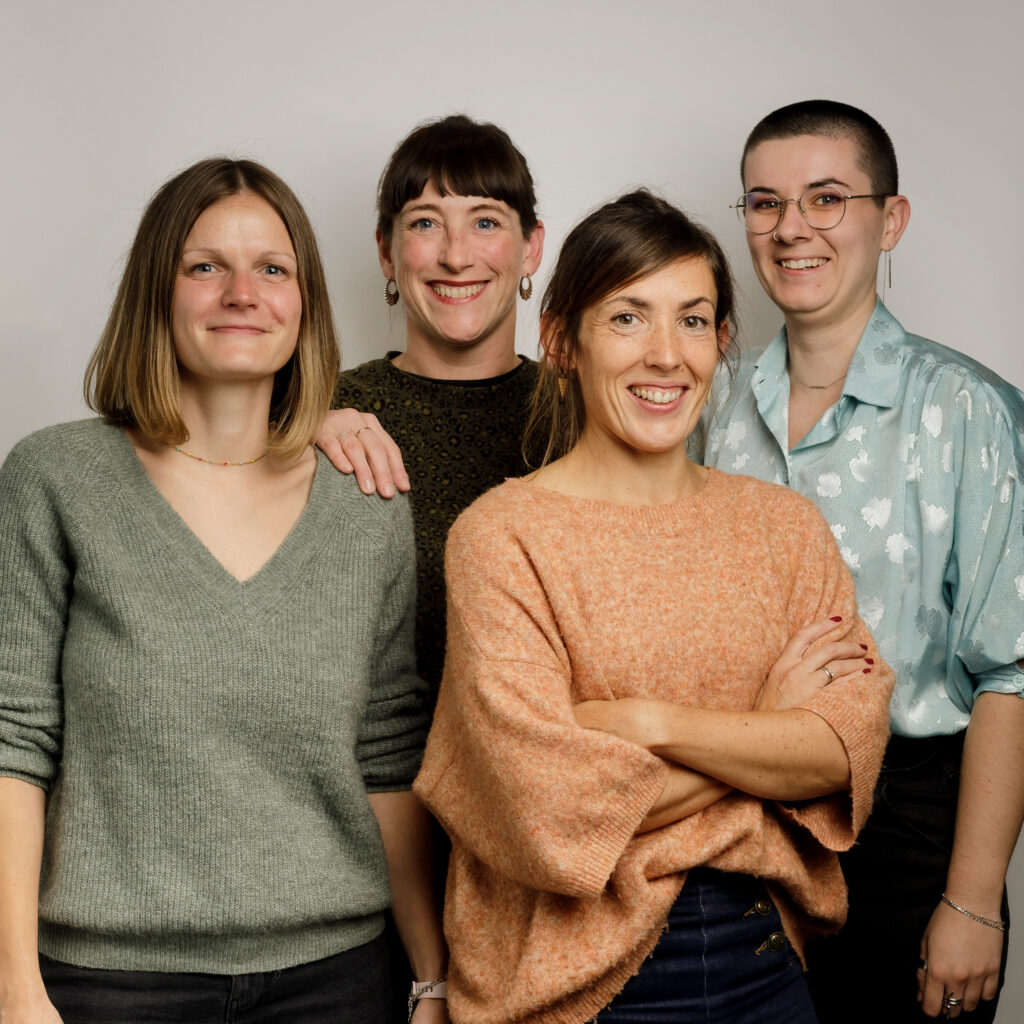
At Nutrifizz, we work with industry leaders to turn these emerging trends into robust, market-differentiating innovation projects, drawing on our in-depth scientific and regulatory expertise.
Please feel free to contact us to discuss this.